

Oil refineries are among the largest consumers of hydrogen worldwide. Unlike many emerging hydrogen applications, hydrogen for oil refineries is already an established part of daily operations.
Hydrogen is primarily used to remove impurities from petroleum products and to upgrade heavier hydrocarbon streams into higher-value fuels.
In Europe, refineries account for approximately 57% of total hydrogen consumption, representing around 4.55 million tons annually.
Most refinery hydrogen is produced using fossil fuels, particularly steam methane reforming. This creates substantial CO₂ emissions before the hydrogen even reaches refinery process units.

Hydrogen for Oil Refineries
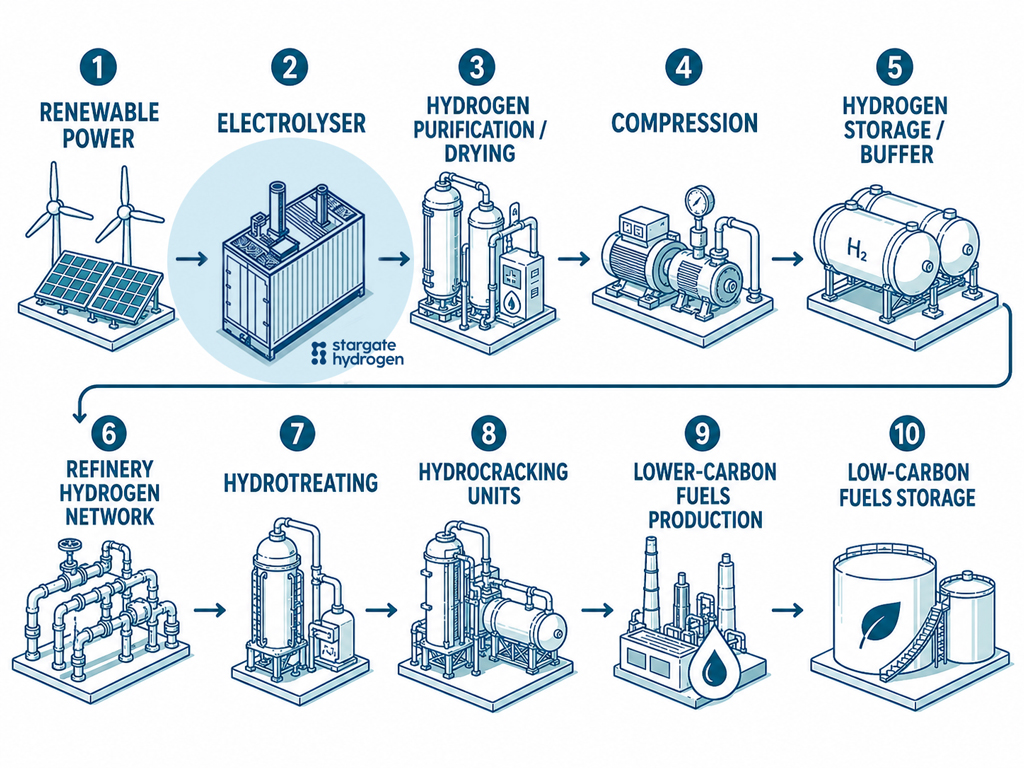
Hydrogen is a feedstock used in oil refineries for hydrotreating and hydrocracking operations. In hydrotreating units, hydrogen removes sulphur, nitrogen, oxygen, metals, and other contaminants, helping refineries produce cleaner fuels.
To support these operations, most facilities maintain dedicated hydrogen infrastructure that includes, hydrogen pipeline systems, compression equipment, storage facilities, and distribution networks. Usually this hydrogen is produced via steam methane reforming with substantial CO₂ emissions.
That is an opportunity for Green hydrogen. As you can on the illustrated process line, established systems create a practical pathway for integrating Green hydrogen for oil refineries without requiring major changes to downstream process units.
Key Factors Driving Green Hydrogen for Oil Refineries

Net-zero commitments

Cleaner fuel requirements

Carbon pricing exposure

Investor focus on decarbonisation

National strategies
How Stargate Hydrogen Supports Oil Refineries
Stargate Hydrogen supports oil refineries with industrial alkaline electrolysers that produce hydrogen efficiently and reliably. Our scalable systems enable EPCs, project developers and industries to integrate green hydrogen into oil refineries plants.

starbase
Series
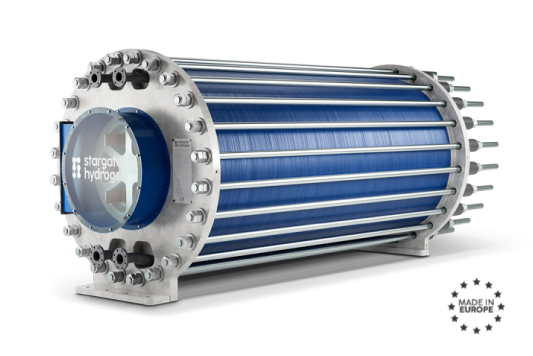
Large Scale Stacks
5 MW Next Generation Alkaline Stacks for System Integrators
gateway
series
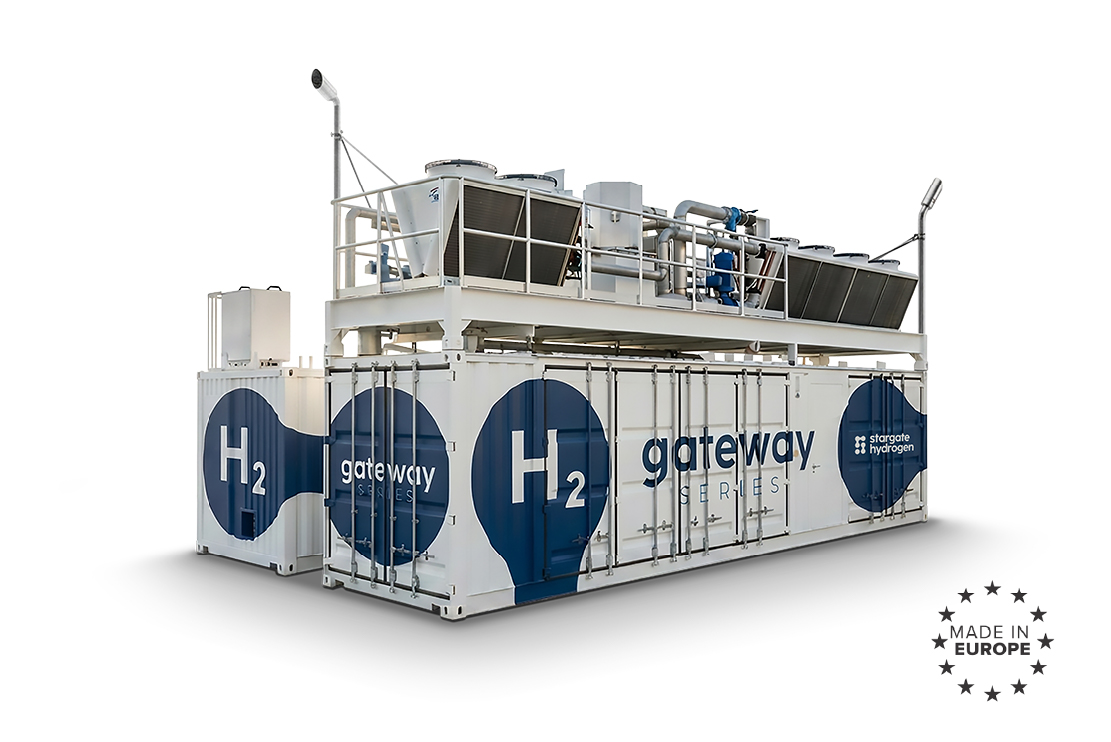
Electrolyser Systems
1 MW Containerised Alkaline Hydrogen Production Systems
aurora
Series
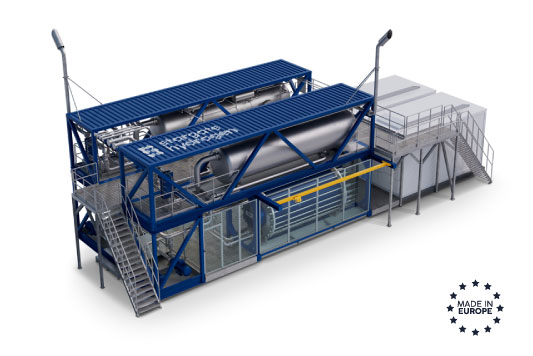
Large Scale Systems
10 MW Containerised Alkaline Hydrogen Production Systems
10 Most Frequently Asked Questions about Hydrogen for Oil Refineries
Stargate Hydrogen supports oil refineries with industrial alkaline electrolysers that break the water molecule and create hydrogen efficiently and reliably. Our scalable systems help developers and producers to integrate green hydrogen into oil refineries.


1. Why do oil refineries need hydrogen?
Hydrogen is an essential process feedstock used to remove impurities from petroleum products and convert heavy hydrocarbons into lighter, higher-value fuels. Without hydrogen, refineries would struggle to meet modern fuel quality standards, particularly for low-sulphur diesel, gasoline, and jet fuel.

Which refinery processes consume the most hydrogen?
Hydrotreating and hydrocracking are typically the largest hydrogen-consuming processes in a refinery. Hydrotreaters use hydrogen to remove sulphur and other contaminants, while hydrocrackers require substantial hydrogen volumes to convert heavy oil fractions into lighter fuels.

How is hydrogen produced in oil refineries today?
Most refineries produce hydrogen on-site using steam methane reformers (SMRs) fuelled by natural gas. Some facilities also recover hydrogen from refinery off-gases. These methods are well established but generate significant CO₂ emissions.

Can renewable hydrogen be used in existing refinery infrastructure?
In many cases, yes. Renewable hydrogen can be introduced into existing refinery hydrogen networks and distributed through existing pipelines, compressors, and storage systems. This allows refineries to reduce emissions without replacing major process units.

What is a refinery hydrogen network?
A refinery hydrogen network is the infrastructure that produces, stores, compresses, and distributes hydrogen throughout the site. It typically connects hydrogen production units with hydrotreaters, hydrocrackers, and other hydrogen-consuming process units.

How much hydrogen does a typical refinery consume?
Hydrogen consumption varies depending on refinery size, crude oil quality, and product mix. Large refineries can consume tens of thousands of tonnes of hydrogen annually, particularly when processing heavier crude oils that require more extensive hydrotreating and hydrocracking.

What are the main challenges of replacing grey hydrogen in refineries?
The main challenges include electricity costs, renewable power availability, project economics, regulatory compliance, and integrating new hydrogen production assets into existing refinery operations. Each refinery has different technical and commercial considerations.

How do electrolysers support refinery decarbonisation?
Electrolysers produce hydrogen using electricity rather than fossil fuels. When powered by renewable energy, they provide a way to reduce emissions associated with hydrogen production while continuing to use existing refinery assets and processes.

What size electrolyser is typically required for a refinery project?
The required capacity depends on the refinery’s hydrogen demand and decarbonisation objectives. Projects can range from small pilot systems of a few megawatts to industrial installations exceeding 100 MW designed to replace a significant share of fossil-based hydrogen production.

Will green hydrogen make oil refining carbon-neutral?
No. Green hydrogen reduces emissions associated with hydrogen production, which is an important source of refinery emissions. However, refining still generates emissions from other processes, and the fuels produced are ultimately associated with emissions when used. Green hydrogen should therefore be viewed as a refinery decarbonisation measure rather than a complete solution.
Latest Articles about Hydrogen for Oil Refineries

