

18.06.2026
The Future of Ammonia Production is Green – by Paul Erik Oli
Key Takeaways
- Ammonia production is responsible for roughly 1.8% of global CO₂ emissions because conventional plants depend heavily on fossil-derived hydrogen [1].
- Green ammonia production replaces fossil hydrogen with hydrogen produced through renewable-powered electrolysis.
- Fertiliser production is the strongest commercial market for green ammonia because ammonia is already deeply integrated into global agriculture.
- Shipping is the next major future demand driver, although ammonia still faces competition from methanol and other low-carbon marine fuels.
- Renewable electricity pricing, electrolyser efficiency, financing costs, and plant uptime are now the main economic variables shaping ammonia production.
- Oil & gas supply chain disruptions strengthen the case for green ammonia as both a decarbonization pathway and an energy-security strategy.
- Existing ammonia infrastructure gives the sector a practical advantage over pure hydrogen transport systems.
About the Author

Paul Erik Olli is an enthusiast of modern energetics and chemical engineering. With a bachelor's degree in chemistry from the University of Tartu and internships at renowned institutions such as ETH Zürich, CEA, and the Paul Scherrer Institute, this young scientist is poised to be a valuable asset to the hydrogen industry.
Paul, who has dedicated his time to engaging with hydrogen technology, novel batteries and electrochemical CO2 reduction, is currently completing his Master’s degree at ETH Zürich with a focus on catalysts for alkaline hydrogen electrolysis.
Ammonia Production Is Entering a New Industrial Phase
Ammonia production has long been one of the components of the modern industry. The global food system depends on ammonia-derived fertilisers, and large-scale agriculture would look quite different without them. It has been concluded that 48% of the world’s population’s existence is made possible by the food produced using nitrogen fertilisers from Haber-Bosch process [2]. Yet ammonia production is also one of the largest sources of CO2 emissions in the chemical sector. Most conventional ammonia plants depend on hydrogen produced from natural gas, coal, or other fossil fuels.
The Haber–Bosch process itself is not the primary emissions problem. The larger issue comes from hydrogen production for the Haber-Bosch process. This is why green hydrogen has become a recurrent topic for the future of ammonia production. Green ammonia production replaces fossil-derived hydrogen with hydrogen generated through water electrolysis powered by renewable electricity. The chemical process to produce ammonia is the same, but the energy source changes. That shift pushes ammonia production into wider discussions about industrial decarbonisation, carbon-neutral shipping fuels, energy security, and long-term hydrogen trade.
When we published our whitepaper 'The Future of Ammonia is Green' in late 2021, the industry was fueled by aggressive projections. Five years later, the landscape looks vastly different. At the start of the 2020s, the market was driven by aggressive announcements and ambitious green hydrogen projections. By 2025, the industry became more cautious. Large project pipelines still exist, but delays due to geopolitical reasons and financing challenges, infrastructure gaps, and uncertainty offtake agreements have slowed momentum.
Now, in early 2026, the result is a more realistic market environment. Green ammonia is still widely viewed as one of the most promising large-scale uses for green hydrogen, but the conversation has changed from optimism toward commercial execution.
What Defines Green Ammonia Production?
Green ammonia production combines renewable electricity, electrolytic hydrogen, nitrogen separation, and conventional ammonia synthesis.
The production pathway typically includes three main systems:
| Production Step | Function |
| Electrolyser | Produces hydrogen from water |
| Air separation unit | Extracts nitrogen from air |
| Haber–Bosch synthesis loop | Combines hydrogen and nitrogen into ammonia |
The underlying synthesis reaction is unchanged:
N2+3H_2→2NH3N_2
The difference lies in the hydrogen source.
Conventional ammonia production relies mainly on steam methane reforming, but also autothermal reforming and coal gasification, all of which rely on fossil fuel sources. In fact, The 2021 whitepaper, “The future of Ammonia is Green”, states that methane-to-hydrogen conversion represents around 90% of emissions in conventional ammonia production. Green ammonia production removes fossil-derived hydrogen from the equation and replaces it with renewable hydrogen.
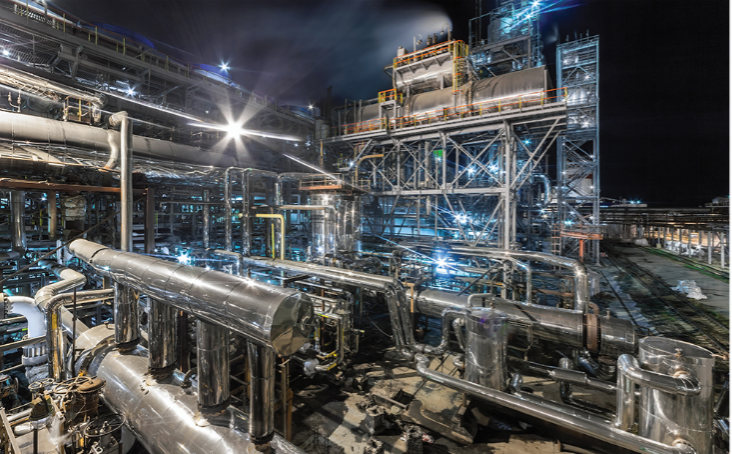
It is also important to distinguish between different low-carbon ammonia categories. Green ammonia and blue ammonia are often discussed together, but they are not equivalent.
| Type | Hydrogen Source | Emissions Profile |
| Green ammonia | Renewable-powered electrolysis | Very low to zero lifecycle emissions |
| Blue ammonia | Fossil fuels with carbon capture and storage | Lower emissions, but residual carbon remains |
| Grey Ammonia | Natural gas (SMR) or Coal | High carbon footprint; highly exposed to fossil fuel price volatility and upcoming carbon taxes (CBAM). |
The terminology is important because certification frameworks are tightened. A product described as “green” in one region may not automatically satisfy another market’s regulatory standards. The often-used term “renewable ammonia” is just a regulatory synonym for green ammonia.
The Cold Hard Economics and Regulatory Reality
By and large, the economics of green ammonia production depends on electricity prices.
Green hydrogen production accounts for roughly 94% of the total energy input required for green ammonia production. Electricity demand can reach approximately 10–11 MWh per ton of ammonia produced.
Today, green ammonia remains roughly two to three times more expensive to produce than fossil-based grey ammonia. Bridging this gap is highly project-specific and requires extreme capital expenditure (CAPEX) discipline.
However, policy is forcing the market's hand. With mechanisms like Europe’s Carbon Border Adjustment Mechanism (CBAM) now actively levelling the playing field, high-carbon imports entering the EU face steep penalties. This shifts green ammonia from a premium "green option" to a vital regulatory shield for international companies wanting to retain access to European markets.
That creates a direct relationship between ammonia competitiveness and renewable power pricing.
The most influential cost variables include:
- Renewable electricity price
- Electrolyser capex
- Electrolyser efficiency
- Financing costs
- Hydrogen storage requirements
- Carbon pricing exposure
- Transport infrastructure
- Certification compliance
This is why geography matters so much. Regions with abundant low-cost renewable resources have a structural advantage in green ammonia production. Parts of the Middle East, Australia, North Africa, Latin America, India, and certain areas of the United States and Europe are increasingly positioning themselves as future export hubs.
Still, the market is challenging. The International Energy Agency’s 2025 hydrogen review noted that low-emissions hydrogen is still more expensive than fossil-derived hydrogen in most markets today. Cost gaps may narrow as we come closer to 2030, particularly where renewable electricity prices are low, and carbon policies become more restrictive, but economics are project specific.
This is one reason why many announced projects have not yet reached the final investment decision. The industry is learning that green ammonia production less of a technology challenge and more of a financing, infrastructure, and power-market challenge.
Fertilisers: The Bankable Commercial Launchpad
While the media frequently highlights shipping fuel as the primary driver for green hydrogen, the fertilizer industry is the most bankable market from day one.
Around 80% of global ammonia production, that is roughly 150 million metric tons, is used in nitrogen fertilizers [3]. This existing demand gives green ammonia developers an immense advantage: they do not need to invent a new market from scratch.
Fertilizer producers already possess the logistics networks, refrigerated storage tanks, handling procedures, and client relationships required for large-scale operations.
This makes fertilizer decarbonization one of the most commercially realistic early applications for green hydrogen. It is not the most attention-grabbing use case, but it may be the most bankable use case, acting as a financial springboard for the expansion of the wider green ammonia industry.
For developers and investors, fertilizer-linked projects offer several advantages:
- Existing industrial demand
- Established customer relationships
- Familiar supply chains
- Clear emissions-reduction pathways
- More predictable offtake structures
This matters because offtake certainty has become one of the largest barriers in the green hydrogen sector.
Shipping Can Become a Major Driver of Ammonia Production
The maritime sector is one of the most closely watched markets for green ammonia production. Green ammonia could decarbonise maritime industry, which currently accounts for 2.2 % of global CO2 production [3].
Ammonia is a premier marine fuel candidate because it contains no carbon and boasts a higher volumetric energy density than pure hydrogen, allowing it to leverage global transport infrastructure.
The International Maritime Organization affirmed its interest in low-carbon marine fuels through its 2023 greenhouse gas strategy. These policies encourage shipowners, ports, fuel suppliers, and engine manufacturers to evaluate alternative fuels for deep-sea shipping.
Still, ammonia is not alone in this competition. Methanol currently leads in commercial vessel deployment and order books. LNG, biofuels, batteries, and e-methanol are active competitors as well.
Technical and operational hurdles before large-scale marine adoption can occur:
- Toxicity: Ammonia requires highly advanced handling, leak detection, and safety systems to protect crew and port environments.
- Combustion Emissions: Unmanaged combustion can release NOx and nitrous oxide (N2 O), a greenhouse gas far more potent than CO2 .
- Bunkering Infrastructure: While export terminals exist for the fertilizer trade, retrofitting ports for safe, widespread marine bunkering requires substantial capital deployment.
Despite these challenges, ammonia is one of the strongest candidates for long-distance shipping routes where fuel energy density and storage practicality matter. Maersk, the largest container shipping line and vessel operator in the world, has proposed ammonia as a prospective fuel to be used in newly built vessels [4].
Energy Security Is Now Part of the Green Ammonia Story
The strategic argument for green ammonia underwent a massive shift following recent global energy disruptions. Conflicts from the Iraq-USA wars to the Russia–Ukraine war have exposed how vulnerable global fertilizer and food systems are to geopolitical shocks.
The post-2022 European energy crisis delivered the harshest lesson yet. When natural gas prices skyrocketed, conventional European ammonia plants were forced to curtail or suspend operations. Because grey ammonia depends entirely on natural gas feedstocks, these shutdowns triggered immediate fertilizer shortages and directly fueled global food inflation.
Green ammonia rewrites this dangerous dynamic by swapping volatile, imported fossil fuels for localized inputs: renewable electricity, water, and nitrogen from the air.
[Conflict & Volatility] -> Gas Price Spikes -> Plant Shutdowns -> Food Inflation
[Localized Green Hydrogen] -> Air + Water + Renewables -> Price Stability & Food Security
This structural shift transforms industrial geopolitics:
- Domesticating the Supply Chain: Countries can transition from energy importers to self-sustaining agricultural hubs.
- The European Imperative: For the EU, producing green ammonia is no longer just a climate target—it is a strategic mandate to shield its agricultural foundation from wartime supply shocks and energy weaponization.
- Insulating Against Volatility: While green hydrogen cannot eliminate every logistics hurdle, it permanently decouples fertilizer production from the volatile boom-and-bust cycles of global oil and gas markets.
By removing fossil fuel conflict from the equation, green ammonia transitions from a premium decarbonization asset into an indispensable insurance policy for sovereign resilience.
Existing Infrastructure Creates a Real Advantage
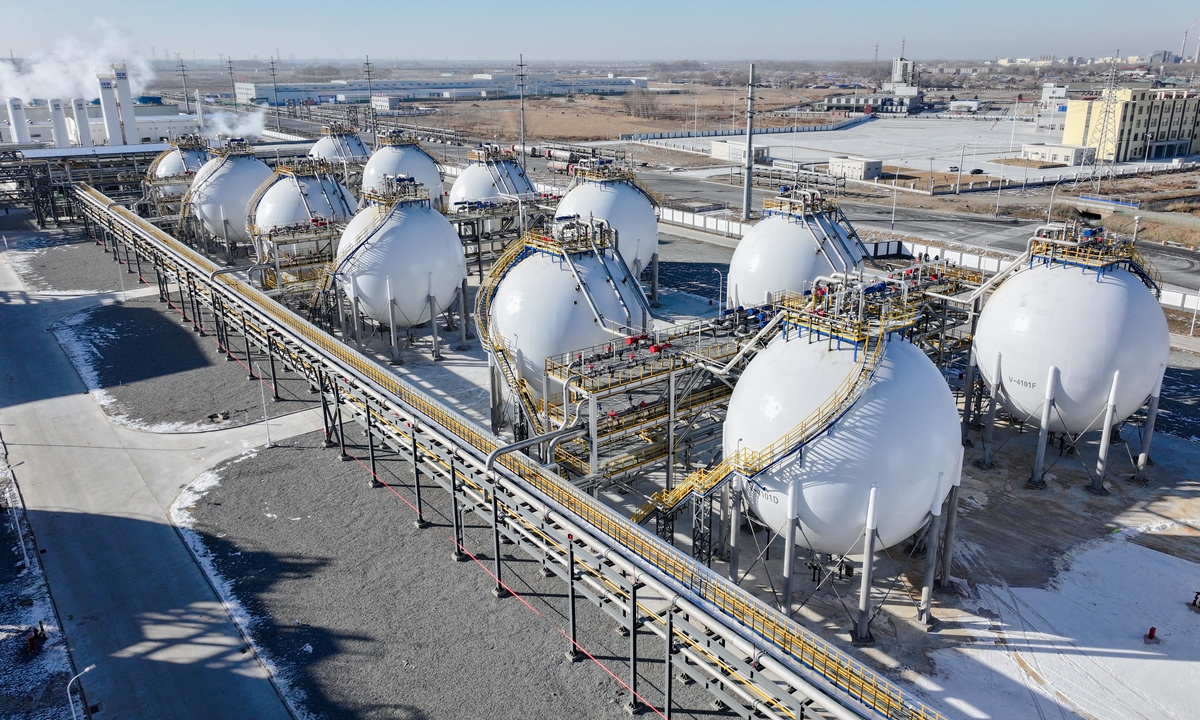
Ammonia holds a massive advantage over pure hydrogen: it doesn’t require reinventing global logistics. Because it liquefies at a manageable −33∘C (compared to hydrogen’s −253∘C), it leverages a mature, multi-billion-dollar existing supply chain of specialized tankers, storage terminals, and pipelines.
However, this infrastructure advantage comes with a catch. Existing systems were built to move fertiliser, not to fuel ships. Several ports, including the largest in the world, such as Rotterdam and Singapore, are already preparing for larger hydrogen-derived fuel markets, but large-scale deployment will require substantial investment throughout the supply chain:
- High-volume marine bunkering infrastructure.
- Strict port safety zones and automated leak-detection networks.
- Specialised crew training and emergency response planning.
The global network gives green ammonia a major head start over pure hydrogen, but early project developers must anchor their plants near existing industrial ports to keep retrofitting costs low.
Safety Will Shape Public Acceptance
Safety discussions around ammonia production are unavoidable because ammonia is toxic and corrosive.
Industrial handling of ammonia is already common across fertiliser and chemical sectors, but wider use in shipping and energy systems increases public and operational exposure.
The main risks include toxic inhalation, leakage, corrosion, and emissions formation during combustion. NOx and potential N₂O emissions are particularly important because unmanaged emissions could weaken some of ammonia’s climate benefits.
Mitigation strategies are well understood in industrial environments and include:
- Ventilation systems
- Gas monitoring
- Leak detection
- Containment systems
- Emergency shutdown procedures
- Emissions-control technologies
For these reasons, it is better to first adopt ammonia first as a fuel for container shipping rather than passenger transportation to encourage public acceptance. The International Maritime Organization’s interim ammonia fuel safety guidelines are inevitable to make practical commercial deployment.
Why Market Expectations Have Become More Realistic
Between 2020 and 2022, project announcements created expectations of extremely rapid growth in green ammonia production. Since then, the market has become more cautious.
The International Energy Agency reported in 2025 that expected low-emissions hydrogen production capacity by 2030 had fallen compared with earlier projections because of delays and cancellations.
Several factors contributed to this adjustment:
- Rising financing costs
- Electrolyser supply-chain constraints
- Slow permitting processes
- Weak offtake certainty
- Infrastructure bottlenecks
- Policy complexity
- Higher project risk perception
This does not mean the sector is failing. It means the market is maturing from early-stage enthusiasm toward commercially disciplined deployment.
Projects that continue advancing typically share several characteristics:
- Access to low-cost renewable electricity
- Strong industrial demand
- Credible project sponsors
- Port connectivity
- Clear certification pathways
- Long-term offtake agreements
The strongest projects are increasingly those that integrate energy, infrastructure, logistics, and industrial demand into a single commercially coherent system.
The Future of Ammonia Production Will Be Regional
The global ammonia market is unlikely to transition uniformly.
Some regions will scale green ammonia production faster because they have stronger renewable resources, lower electricity costs, better financing conditions, or established export infrastructure.
Other regions may continue relying on conventional or blue ammonia for much longer.
The most realistic 2030 scenario is probably a hybrid market where conventional, blue, and green ammonia coexist. Even so, the direction of industrial policy and investment is becoming clearer.
Final Thoughts
Ammonia production is no longer only a fertiliser discussion. It is now part of the discussions around energy policy, industrial decarbonization, shipping, infrastructure planning, and geopolitical resilience.
Green hydrogen is pushing ammonia production into a new phase, but large-scale success will depend on far more than electrolyser deployment alone. Renewable power economics, certification frameworks, infrastructure readiness, financing structures, and reliable industrial demand will directly impact projects.
The market has graduated from the hype phase. The winners of the green ammonia transition won't just be those with access to cheap wind and solar—they will be the operators who successfully drive down electrolyser CAPEX and optimise system efficiency.
This is exactly where the industry must focus. By utilising advanced, precious-metal-free alkaline electrolysis, Stargate Hydrogen delivers the specific high-efficiency, cost-effective scaling that green ammonia plants require to achieve true commercial viability. The technology is ready; it’s time for execution.
References:
[1] Ammonia: zero-carbon fertiliser, fuel and energy store. The Royal Society. February 2020. https://royalsociety.org/-/media/policy/projects/green-ammonia/green-ammonia-policy-briefing.pdf
[2] J.W. Erisman, M.A. Sutton, J. Galloway, Z. Klimont, W. Winiwarter, How a century of ammonia synthesis changed the world, Nature Geosci 1 (2008) 636–639. https://doi.org/10.1038/ngeo325
[3] Ammonfuel - an industrial view of ammonia as a marine fuel. Alfa Laval, Hafnia, Haldor Topsoe, Vestas. August 2020. https://www.topsoe.com/hubfs/DOWNLOADS/DOWNLOADS%20-%20White%20papers/Ammonfuel%20Report%20Version%2009.9%20August%203_update.pdf
[4] Seren Skou calls for a ban on oil-fueled vessels. Shippingwatch. September 2021.
Table of Contents